History & local legend
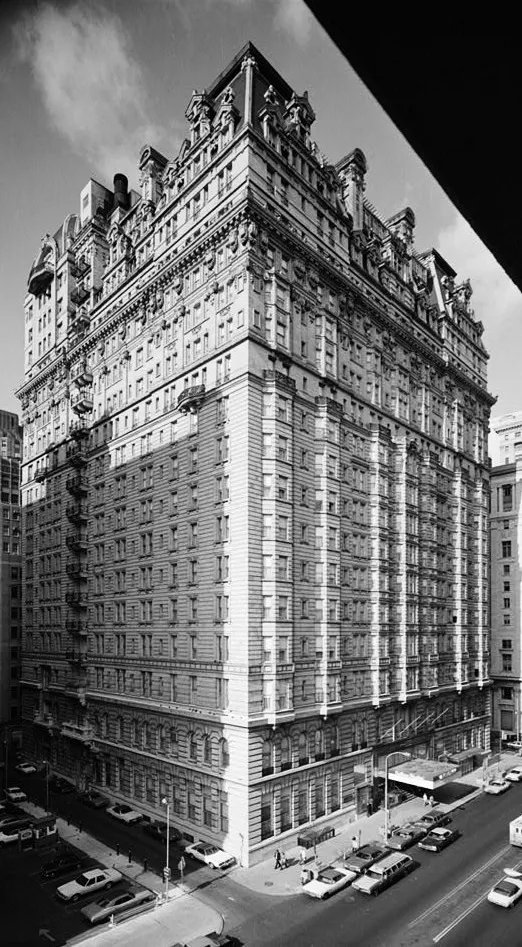
Philadelphia’s Bellevue-Stratford became the center of a medical mystery after an American Legion convention in 1976. In the weeks that followed, 221 people became ill and 34 died. Many of those affected had attended the convention at the hotel. Doctors could recognize the severe respiratory illness, but they could not initially explain what was causing it.
The Pennsylvania health department called in the Centers for Disease Control. Investigators interviewed attendees, compared where they had stayed and eaten, and tested possible sources of exposure. The first laboratory work failed to identify the cause. Months later, CDC microbiologist Joseph McDade examined cultures again and isolated a previously unidentified bacterium, subsequently named Legionella pneumophila.
The outbreak gave Legionnaires’ disease its name.